
Want to master resume writing? This guide will show you how to create a compelling resume that lands job interviews. We’ll cover key sections like education, skills, and experience, offering tips to make each part shine. Let’s get started on making your resume stand out.
It’s also important to promote diversity and inclusivity in resume writing, encouraging applications from individuals who identify as African American, Alaska Native, American Indian, Native Hawaiian, and Pacific Islander.
Key Takeaways
- Understanding various resume formats, such as chronological, functional, and combination, is essential for presenting qualifications effectively.
- Tailoring resumes for each job application, including customizing the objective statement and integrating relevant keywords, enhances visibility to employers.
- Highlighting education, relevant experience, and quantifiable achievements in a clear, professional format strengthens a resume’s impact on hiring managers.
Understanding the Basics of Resume Writing

Embarking on your job search journey begins with understanding the fundamental elements of a resume. The most common resume formats include:
- Chronological resumes, which list your work experience in reverse order, focusing on the most recent position first. This format is ideal for those with a consistent work history.
- Functional resumes, which emphasize skills over work history, making it suitable for candidates with employment gaps or those switching careers.
- Combination resumes, which merge both work experience and skills, offering flexibility in presenting your qualifications.
A well-organized resume should feature:
- Clear section headers that guide the reader through the document
- Standard margins of one inch on all sides to ensure readability
- Professional, readable fonts like Calibri or Georgia, sized between 10 and 12 points to enhance clarity
- Conciseness and easy scannability, highlighting relevant information efficiently
Feedback from trusted individuals can provide valuable insights into the supporting resume’s content and formatting, helping you refine it further.
The objective statement, a concise summary highlighting your skills, experiences, and goals, is a vital part of the resume. Avoid clichés and jargon; instead, use personal language that reflects your strengths and expertise. Remember, your resume is the first impression you make on potential employers, so make it count.
Understanding the Job Market
Navigating the job market as a recent college graduate can be challenging, but understanding the current landscape can significantly improve your chances of success. According to the Federal Reserve Bank of New York, the labor market for recent college graduates saw a downturn in the first quarter of 2025, with an unemployment rate of 5.8 percent and an underemployment rate of 41.2 percent. These statistics highlight the importance of staying informed about labor market trends and employment data.
Keeping up-to-date with the latest information from the U.S. Bureau of Labor Statistics and the Census Bureau can provide valuable insights into the job market. Understanding eligibility requirements for various job titles and industries is also crucial. This knowledge can help you tailor your job search and applications more effectively, increasing your chances of landing your dream job.
By staying informed and proactive, recent graduates can better navigate the complexities of the job market and position themselves for success in their chosen careers.
Creating a Strong Foundation
Building a strong foundation is essential for college students and recent graduates as they prepare to enter the workforce. This foundation starts with a well-crafted resume and a compelling cover letter, both of which are critical in making a positive first impression on potential employers.
Developing a strong online presence is also crucial. This includes creating a professional LinkedIn profile and engaging with industry-related content. Understanding the skills and tools required for your desired job title is vital, as is identifying and addressing any gaps in your education or training.
Participating in internships, programs, and other opportunities can provide valuable experience and help you build relationships with potential employers and clients. These experiences not only enhance your resume but also give you practical skills and insights into your chosen field.
Staying organized, focused, and being able to work effectively in a team environment are key skills that can help you succeed in your career. Whether you’re aiming for an entry-level position or a more senior role, having a strong foundation in place will help you achieve your career goals and thrive in the labor market.
Crafting a Compelling Objective Statement
Your objective statement is a brief yet powerful introduction to your resume. Many experts now recommend substituting the traditional objective with a professional summary, which showcases your qualifications and potential contributions to the employer. This summary should maintain brevity, ideally consisting of one to two sentences, to keep the hiring manager’s attention. Including relevant skills in this section can help demonstrate your suitability for the position.
When crafting your objective statement, use action verbs to convey your enthusiasm and capabilities clearly. For instance, instead of simply stating that you “handled data entry,” say that you “managed data entry tasks with precision to support accurate analysis.” This not only highlights your skills but also your proactive approach.
A well-crafted objective statement sets the tone for the rest of your resume, making it a crucial component in capturing the employer’s interest.
Highlighting Your Education
For recent college graduates, the education section is often the most robust part of the resume. Placing this section prominently at the top of your resume ensures it catches the employer’s eye immediately. Include essential details such as the institution’s name, the bachelor’s degree obtained, graduation year, and any relevant coursework or honors. Listing achievements like scholarships and academic awards can further strengthen your resume.
If your GPA is above 3.4, consider including it as it can be a testament to your academic diligence. For instance, you might write, “bachelor’s degree in Computer Science, XYZ University, 2025, GPA: 3.8.” This not only highlights your education but also your dedication and capability, especially if you are pursuing a graduate degree.
Your college education is a cornerstone of your resume, especially if you lack extensive professional experience. Emphasizing your academic achievements and relevant coursework can show potential employers that you have the foundational knowledge necessary for the job, which is important for students in school.
Showcasing Relevant Experience
Showcasing relevant experience is crucial for recent college graduates, even if it comes from an internship, part-time jobs, or volunteer work. Highlighting these experiences can demonstrate valuable skills and work ethic, especially if you are currently enrolled in a degree program. When listing volunteer roles, use the same format as professional job entries, emphasizing your contributions, responsibilities, and current employment status. This approach shows employers that you have practical experience, even if it’s not from a traditional job.
Employers appreciate seeing transferable skills gained through various experiences. For example, if you volunteered at a local shelter, you might highlight your organizational skills and ability to work under pressure. These examples provide a well-rounded view of your capabilities and readiness for professional roles.
Emphasizing Key Skills
The skills section of your resume is pivotal in showcasing your suitability for the job. Tailor this section to match the job requirements, ensuring you include skills specifically requested in the job description. Action verbs can enhance the clarity and impact of your responsibilities, making your qualifications stand out.
Incorporating industry-specific terminology can further distinguish your resume when applying for particular roles. For example, a recent graduate in computer science might list programming languages and tools used during internships or projects. This not only shows your technical proficiency but also your readiness to contribute immediately.
Tailoring Your Resume for Each Job Application
Customizing your resume for each job application increases the likelihood of catching hiring managers’ attention at different companies. Aligning your skills with the job requirements presents you as the ideal candidate. Tailoring the objective statement to the specific job description can make a significant difference.
Editing your resume to highlight experiences and skills that match the job description is crucial. This personalization demonstrates your genuine interest in the position and your understanding of what the role entails.
Remember, a one-size-fits-all resume is less effective than a targeted one in the competitive job market.
Using Data to Quantify Achievements
Using data to quantify your achievements can make your resume more compelling. Including quantifiable achievements demonstrates your past contributions effectively, making your application stand out, much like the data collected in the current population survey. For example, instead of saying “improved sales,” you might write “increased sales by 20% over six months.”
Employers are often impressed by candidates who can relay their contributions using specific figures, such as increased revenue or improved efficiency in finance. Quantifying achievements using metrics like KPIs or labor statistics from the census bureau can significantly strengthen your position in a competitive business job market and help you obtain an advantage through economic research, especially when considering the contributions of workers. Quantifying achievements using metrics like KPIs or labor statistics can significantly strengthen your position in the competitive labor force.
This approach not only highlights your accomplishments but also your potential impact on their organization.
Including Extracurricular Activities
Including extracurricular activities on your resume can showcase leadership, teamwork, and communication skills. Participation in clubs, volunteer work, or student government demonstrates your ability to manage responsibilities and work with others. Participation in clubs, volunteer work, or student government during high school can also demonstrate your ability to manage responsibilities and work with others. However, it’s important to list only those activities relevant to the job you’re applying for.
Describing your role in these activities in detail can effectively demonstrate your skills and accomplishments. For instance, if you were the president of a class, highlight how you participate in showcasing your leadership and organizational management skills within teams.
These experiences can provide more detailed information about your capabilities, making your resume more robust.
Leveraging Keywords from Job Descriptions
Leveraging keywords from job descriptions is crucial in today’s job market, where employers frequently use applicant tracking systems (ATS) to screen resumes. Including the exact job title and company name can enhance your resume’s relevance for ATS scans.
It’s important to spell keywords correctly and use both full phrases and abbreviations as presented in job listings. This strategy ensures that your resume is optimized for both ATS and human readers. Tailoring your resume with the right keywords increases your chances of passing initial screenings and catching the hiring manager’s attention.
Formatting Tips for a Professional Look
A professional-looking resume is both readable and aesthetically pleasing. Employing clear, readable fonts like Calibri and Georgia is crucial for clarity on both screens and paper. Font sizes between 10 to 12 points strike a balance between readability and professionalism.
Using section headers that stand out, such as through bolding or increasing font size, helps employers quickly locate desired information. Bullet points improve the scannability of resumes by allowing quick digestion of key achievements and responsibilities.
Keeping your resume concise, ideally one page, helps retain the attention of potential employers while sufficiently showcasing your qualifications.
Avoiding Common Resume Mistakes

Avoiding common resume mistakes can significantly improve your chances during the competitive hiring process. Proofreading your resume multiple times helps eliminate errors in spelling, grammar, or formatting, presenting a polished image. Always verify that your contact details are current, allowing employers to reach you without difficulty.
It’s generally unnecessary to mention references on your resume; they can be provided upon request later in the hiring process. Avoid placing salary expectations on your resume, as this topic is typically addressed later in the hiring process. Ensuring your resume file is named appropriately, such as your name followed by ‘resume,’ makes it easy for employers to identify.
Creating a Strong Cover Letter
A strong cover letter complements your resume by providing context for your achievements and career choices. Personalize your cover letter for each application, demonstrating a clear understanding of the company and position. Using a strong opening line can capture the reader’s attention and set the tone for the rest of the cover letter.
Closing your cover letter with a call to action encourages the employer to follow up with you. Cover letters are also an effective medium to elaborate on employment gaps, allowing candidates to explain how they prepared to return to the workforce.
Reflect your personality while highlighting your relevant experiences and skills for the job.
Utilizing Online Tools and Resources
Utilizing online tools and resources can significantly enhance the quality of your resume. Online resume builders provide user-friendly interfaces that assist in creating tailored resumes with professional layouts. Proofreading services can catch errors and provide feedback on resume content, ensuring your application appears polished and professional.
Using templates can help you establish a clean aesthetic and organization, while also allowing for customization to fit specific job applications. Seeking professional advice can provide insights tailored to your industry and help you effectively showcase your strengths on your resume.
Preparing for Remote Work Applications
Customizing your resume to highlight remote work capabilities is essential for standing out in a competitive job market.
Here are some tips to enhance your resume for remote positions:
- Include a statement like ‘Seeking Remote Work Opportunities’ at the top of your resume to signal your enthusiasm for remote roles.
- Highlight effective communication skills, as they are crucial in remote work.
- Showcase examples of virtual collaboration to enhance your profile.
By following these tips, you can create a resume that effectively communicates your suitability for remote work.
Incorporating technical skills related to remote collaboration tools can strengthen your resume for remote job applications. Highlighting any previous remote work experience, even if informal, can help demonstrate your readiness for remote roles. Tailoring your resume for remote job applications is not just a suggestion but an expectation in the evolving job market.
Networking and Building Relationships
Networking is essential for recent graduates looking to enter the job market, as it can lead to job opportunities and professional connections. Attend industry events, job fairs, and networking sessions to meet professionals in your desired field and learn about job openings. Utilize family, friends, and colleagues to get feedback on your resume, as they can provide valuable insights and help you improve your presentation.
Join online networking platforms, such as LinkedIn, to connect with professionals and seek constructive feedback on your job application materials. Reaching out to alumni from your college can offer advice and support to job seekers in your job search and may even know of job openings.
Addressing Employment Gaps
Addressing employment gaps on your resume is crucial to avoid creating a negative impression. For shorter employment gaps, omitting specific months from the employment dates can help obscure the gaps. Detail relevant skills or experiences gained during employment gaps, especially if they relate to the job being applied for.
For example, if you took a gap year to travel, you might highlight how the experience enhanced your adaptability and problem-solving skills. Presenting employment gaps positively can show employers that you have continued to develop professionally, even when not formally employed.
Sample Resumes and Templates
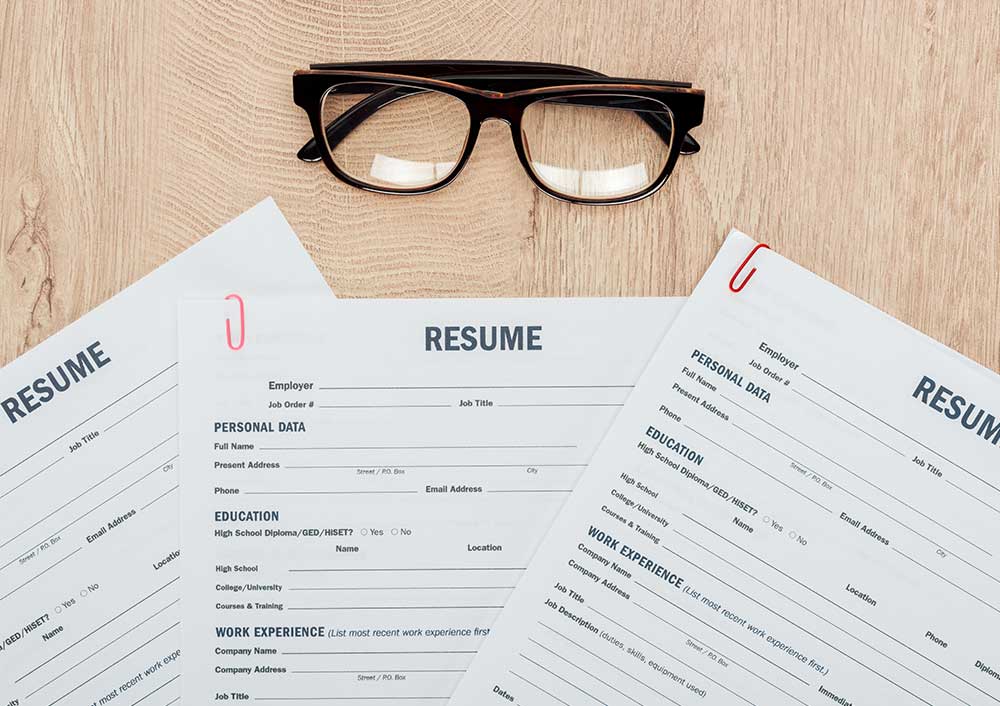
Utilizing targeted resume templates can streamline the application process for recent graduates by providing a structured format. Templates specifically designed for recent graduates often include sections for education, relevant skills, and internships. Yale University offers multiple resume templates tailored for recent graduates, including options for technical and creative careers.
Many universities offer resume templates that cater to the unique qualifications and experiences of their recent alumni. These templates can serve as a valuable starting point, helping you create a polished and professional resume.
Summary
In conclusion, crafting a resume that stands out involves a combination of understanding the basics, tailoring your content for each job application, and effectively showcasing your skills and achievements. By following the tips provided, recent college graduates can create compelling resumes that highlight their education, relevant experience, and key skills. Remember to use data to quantify achievements, include extracurricular activities, and leverage keywords from job descriptions to enhance your resume’s visibility in applicant tracking systems.
As you embark on your job search journey, keep in mind that your resume is a living document that should evolve with your career. Regularly updating and refining it will ensure you always present the best version of yourself to potential employers. With determination and the right tools, your resume can open doors to exciting career opportunities. Good luck!
Frequently Asked Questions
Should I include a professional summary or an objective statement on my resume?
Including a professional summary is recommended, as it effectively highlights your qualifications and potential contributions to the employer, surpassing the traditional objective statement.
How important is it to customize my resume for each job application?
Customizing your resume for each job application is crucial, as it enhances its relevance to the specific role and significantly increases your chances of attracting the attention of hiring managers.
What should I do if I have an employment gap on my resume?
It is advisable to address employment gaps positively by highlighting any relevant skills or experiences acquired during the period. Additionally, consider omitting specific months from employment dates if the gap is brief.
How can extracurricular activities enhance my resume?
Extracurricular activities enhance your resume by showcasing valuable skills such as leadership, teamwork, and communication. These experiences demonstrate your ability to manage responsibilities and collaborate effectively with others. These experiences can be particularly valuable for individuals who identify as part of an underrepresented minority, showcasing their leadership and commitment to diversity.
Are online tools and resume templates effective in creating a professional resume?
Online tools and resume templates are indeed effective in creating a professional resume, as they provide professional layouts, proofreading services, and customization options that can greatly enhance its quality. Utilizing these resources can help you stand out to potential employers.